
What is a Power Inductor?
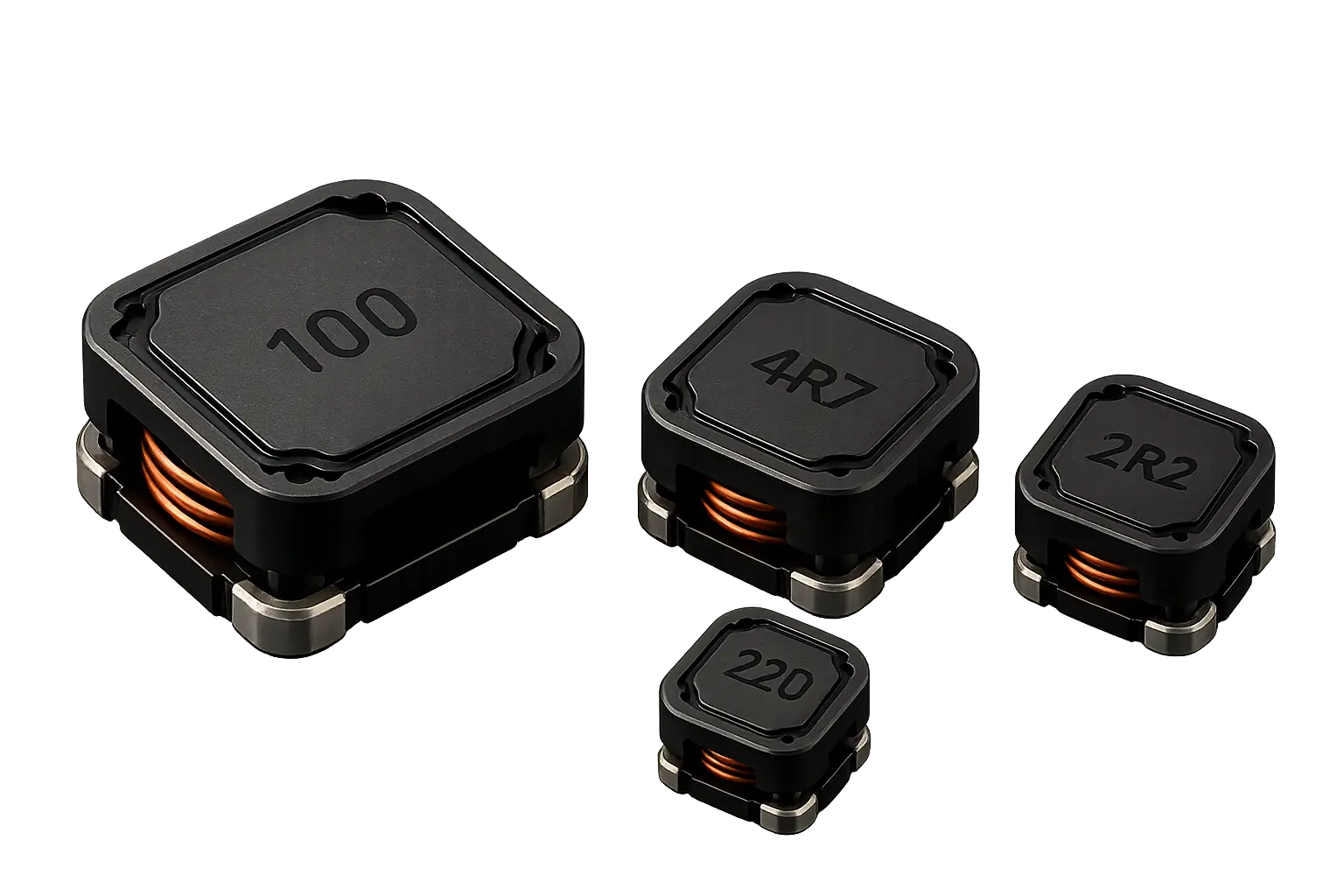
A power inductor is a passive electronic component that stores energy in a magnetic field when electric current flows through it. It plays a critical role in DC-DC converters, power supplies, automotive electronics, industrial automation, and consumer devices by regulating current, reducing electrical noise, and improving power efficiency. Understanding how power inductors work helps engineers select the right component for reliable electronic circuit performance.
Introduction
Power inductors are essential passive electronic components that store energy in a magnetic field and regulate the flow of current in electronic circuits. They play a vital role in DC-DC converters, switching power supplies, automotive electronics, industrial automation, telecommunications, and consumer devices. By reducing electrical noise, stabilizing voltage, and improving power efficiency, power inductors ensure reliable circuit performance. Whether you’re an engineer, OEM, or procurement professional, understanding how power inductors work is crucial for selecting the right component. This guide explains what a power inductor is, its working principle, types, specifications, applications, and key benefits in modern electronics.
- What Is a Power Inductor?
- Power Inductor Working Principle
- How Magnetic Field Induction Happens
- How a Power Inductor Stores Energy
- Step-by-Step Working Process
- How a Power Inductor Works in a DC-DC Converter
- Why Power Inductors Reduce Current Ripple
- Factors Affecting Performance
- Applications of Power Inductors
- Frequently Asked Questions
- Conclusion
How Does a Power Inductor Work?
Energy Storage
When current flows through the inductor, energy is stored in the magnetic field.
Energy Release
When current reduces, the stored energy is released to maintain current flow.
Current Regulation
Inductors resist sudden changes in current, ensuring stable and smooth operation.
Main Components of a Power Inductor
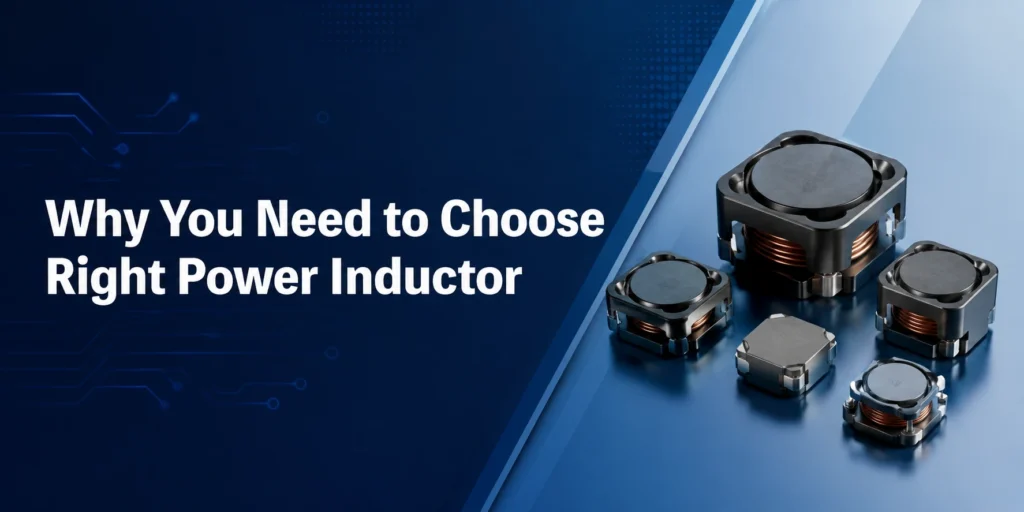
A power inductor is made up of several essential components that work together to store energy, regulate current, and improve circuit efficiency. Each part plays a specific role in determining the inductor’s electrical performance, reliability, and thermal characteristics.
Magnetic Core
The magnetic core is the central part of a power inductor that stores magnetic energy. It is commonly made from ferrite, iron powder, or composite materials. The core material directly affects inductance, efficiency, saturation current, and operating frequency.
Copper Winding (Coil)
The copper winding is wrapped around the magnetic core and creates a magnetic field when electric current flows through it. High-quality copper wire helps reduce DC resistance (DCR), minimize power loss, and improve overall efficiency.
Shielding
Shielding is an important feature in many power inductors that helps contain the magnetic field within the component. By reducing electromagnetic interference (EMI) and magnetic flux leakage, shielded power inductors improve circuit stability and performanc
Terminals
The terminals provide the electrical connection between the power inductor and the printed circuit board (PCB). Strong and reliable terminals ensure stable current flow, better solderability, and long-term durability.
Protective Coating
A protective coating safeguards the power inductor against moisture, dust, vibration, and mechanical damage. This enhances product reliability and extends the component’s service life in demanding environments.
Quick Summary Table
| Component | Function |
|---|---|
| Magnetic Core | Stores magnetic energy |
| Copper Winding | Generates the magnetic field |
| Shielding | Reduces EMI and magnetic leakage |
| Terminals | Connects the inductor to the PCB |
| Protective Coating | Improves durability and environmental protection |
Types of Power Inductors
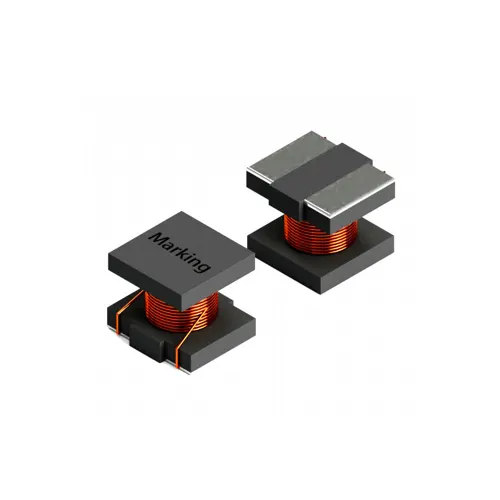
Power inductors are available in different designs to meet the requirements of various electronic applications. Choosing the right type depends on factors such as current rating, space limitations, operating frequency, and EMI performance. Below are the most common types of power inductors used in modern electronic circuits.
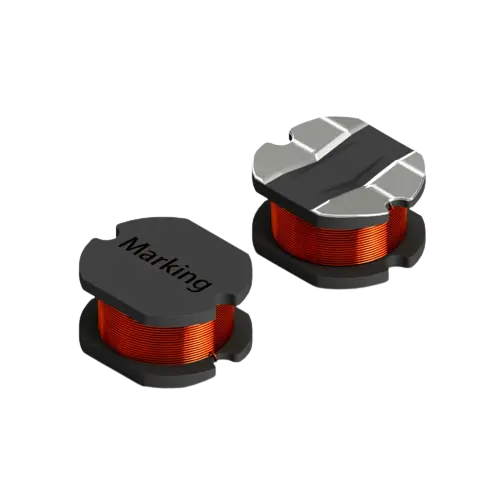
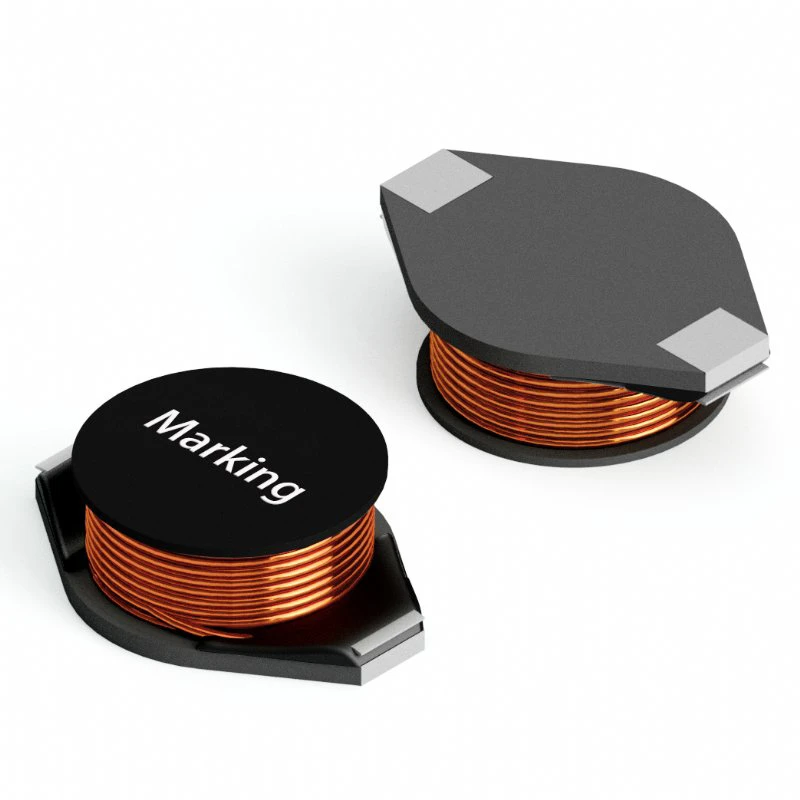
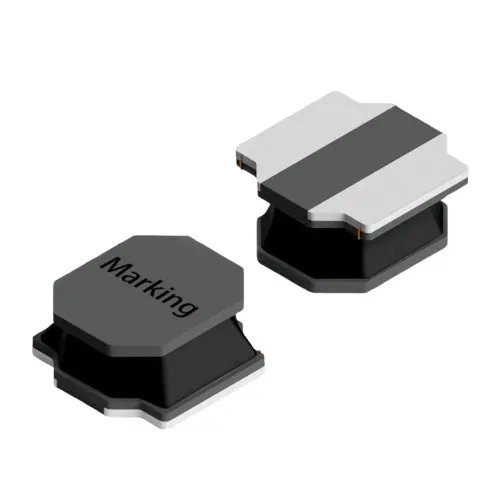
Shielded Power Inductor
Shielded power inductors are designed with magnetic shielding that minimizes electromagnetic interference (EMI). They are widely used in automotive electronics, industrial equipment, telecommunications, and high-density PCB designs where low noise and stable performance are essential.
SMD Power Inductor
Surface Mount Device (SMD) power inductors are compact and designed for automated PCB assembly. Their small footprint makes them ideal for smartphones, laptops, networking equipment, and other space-constrained electronic devices.
Drum Core Power Inductor
Drum core inductors feature a cylindrical ferrite core that offers good inductance with a simple and economical design. They are frequently used in low- to medium-power electronic circuits.
Toroidal Power Inductor
Toroidal inductors use a ring-shaped magnetic core that provides high efficiency, reduced magnetic leakage, and excellent EMI performance. They are widely used in high-performance power systems.
Applications:
- Renewable energy systems
- Audio equipment
- High-efficiency power supplies
- Industrial machinery
Key Specifications of a Power Inductor
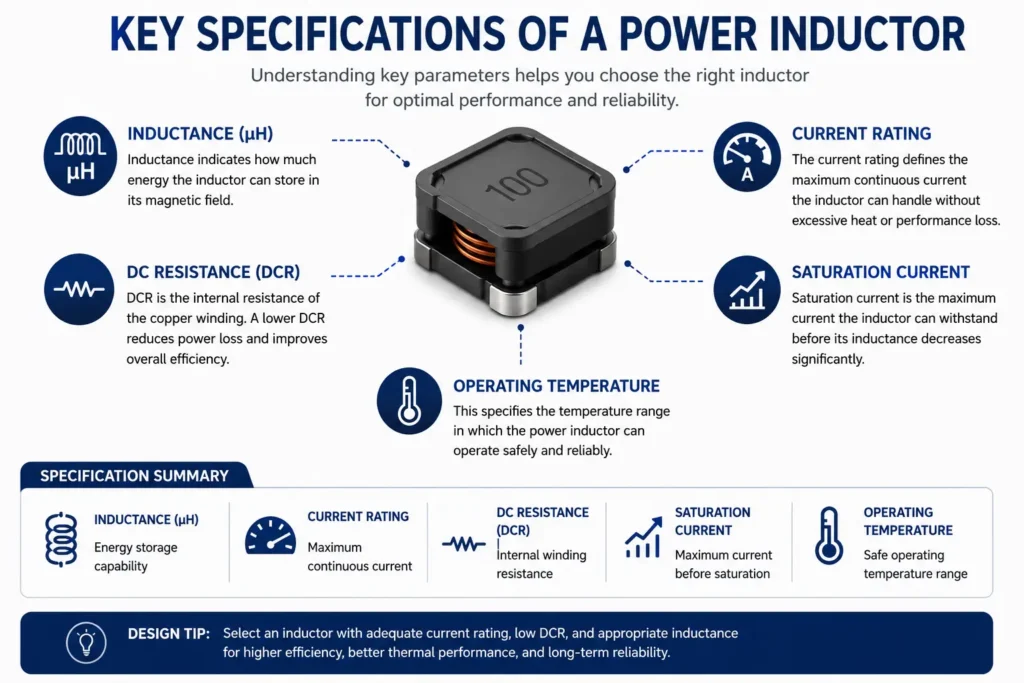
Selecting the right power inductor requires understanding its key electrical specifications. These parameters determine how the inductor performs under different operating conditions and help engineers choose the right component for their application.
Inductance
Inductance, measured in microhenries (µH) or millihenries (mH), is the ability of a power inductor to store energy in a magnetic field when current flows through it. Selecting the correct inductance value is essential for efficient power conversion, stable current regulation, and reduced voltage ripple in electronic circuits.
Current Rating
Current rating is the maximum continuous current a power inductor can safely handle without excessive heat generation or performance degradation. Choosing a power inductor with an appropriate current rating ensures efficient operation, prevents overheating, and improves the reliability of power conversion circuits.
DC Resistance (DCR)
DC Resistance (DCR) is the internal resistance of the copper winding in a power inductor. Lower DCR reduces power loss, improves energy efficiency, and minimizes heat generation, making it an important specification for high-performance power conversion and current regulation applications.
Saturation Current
Saturation current is the maximum current a power inductor can carry before its magnetic core becomes saturated, causing the inductance to decrease significantly. Selecting a power inductor with an adequate saturation current helps maintain stable performance, improves efficiency, and prevents circuit instability in high-current applications.
Operating Temperature
Operating temperature is the recommended temperature range within which a power inductor performs safely and reliably. Selecting a power inductor with an appropriate operating temperature rating ensures stable electrical performance, improves durability, and prevents overheating in demanding applications such as automotive, industrial, and power supply systems.
Applications of Power Inductors
Power inductors are essential passive components engineered to stabilize voltage, smooth electrical current, and optimize power efficiency across diverse high-performance industries. From modern automotive systems powering electric vehicles to sensitive medical equipment and consumer electronics, these components ensure reliable energy management. By filtering out high-frequency electromagnetic interference and managing high peak currents in switching DC-DC converters, power inductors maintain thermal stability and protect critical microcontrollers. Explore how advanced power inductors drive seamless innovation across automotive, industrial automation, telecommunications, renewable energy, and enterprise computing architectures worldwide.
Advantages of Power Inductors
Power inductors offer several advantages that make them essential in modern electronic circuits. They improve power conversion efficiency by storing and releasing energy effectively, reduce electromagnetic interference (EMI) for stable operation, regulate current to minimize voltage ripple, and support high current applications with reliable performance. Their compact design makes them suitable for space-constrained devices, while their durability ensures long-term operation in demanding environments such as automotive electronics, industrial automation, telecommunications, power supplies, and consumer electronics.
Why Choose Magno Teknik?
Choosing the right power inductor manufacturer is essential for ensuring reliable circuit performance and long-term product quality. At Magno Teknik, we combine advanced manufacturing, strict quality control, and engineering expertise to deliver high-performance power inductors for a wide range of industries.
Why Customers Trust Magno Teknik
- ✔ High-performance power inductors
- ✔ Low DCR & high current capability
- ✔ In-house manufacturing
- ✔ Custom design solutions
- ✔ Strict quality assurance
- ✔ Competitive pricing
- ✔ Fast delivery across India and global markets
Looking for a reliable Power Inductor Manufacturer?
Contact Magno Teknik today to discuss your requirements and get the right power inductor solution for your application.
Frequently Asked Questions About Power Inductors
What is a power inductor and how does it work?
A power inductor is a passive electronic component designed to store energy in a magnetic field when electric current passes through its wire coil. It resists sudden changes in current, helping to smooth out power supply fluctuations and maintain stable DC voltage in power circuits.
What is the main difference between a power inductor and a standard inductor?
Standard inductors (or signal inductors) are used for low-current signal filtering and high-frequency RF applications. Power inductors feature thicker wire coils and heavy-duty magnetic cores specifically designed to handle high continuous currents without going into magnetic saturation.
Where are power inductors commonly used?
Power inductors are primarily used in DC-DC power converters, switched-mode power supplies (SMPS), automotive electronics, smartphone power management ICs (PMICs), solar inverters, and computer motherboards.
What is saturation current (Isat) in a power inductor?
Saturation current (Isat) is the maximum DC current an inductor can carry before its core material reaches magnetic saturation, causing a noticeable drop in inductance (typically specified as a 10% to 30% reduction).
What is the difference between shielded and unshielded power inductors?
Shielded power inductors have a magnetic core enclosure that traps electromagnetic interference (EMI), making them ideal for high-density boards near sensitive circuits. Unshielded inductors leak more EMI but are smaller and typically cost less.
How do core losses affect power inductor performance?
Core losses occur due to hysteresis and eddy currents within the magnetic core material when operating at high switching frequencies. Excessive core losses generate heat and reduce the overall efficiency of the power supply.
How do I choose the right power inductor for a converter circuit?
To select the correct power inductor, calculate the required nominal inductance value, verify that both rated current (Irms) and saturation current (Isat) exceed peak operational demands, and choose low DC resistance (DCR) to maximize efficiency.
Why do power inductors hum or emit noise during operation?
A power inductor can emit audible noise (humming or squealing) due to magnetostriction or mechanical vibrations caused by switching currents operating within the human audible frequency range (20 Hz to 20 kHz).
Conclusion
Power inductors are essential electronic components that improve power efficiency, regulate current, reduce electrical noise, and ensure stable circuit performance. They are widely used in DC-DC converters, power supplies, automotive electronics, industrial automation, telecommunications, and consumer devices. Understanding how power inductors work, their types, specifications, and applications helps you select the right component for your design. If you’re looking for a reliable Power Inductor Manufacturer, Magno Teknik offers high-quality, in-house manufactured power inductors with custom solutions, strict quality testing, and dependable supply for OEM and industrial applications.